

Digital workplace software has become an essential foundation for organizations looking to streamline collaboration, strengthen productivity, and support flexible work environments. As companies continue transitioning to more digital systems, the need for reliable, centralized workplace tools grows significantly.
With the increasing importance of digital communication, daily work processes, and integrated software platforms, digital workplace systems are now viewed as a core component of operational success.
Digital Workplace Software
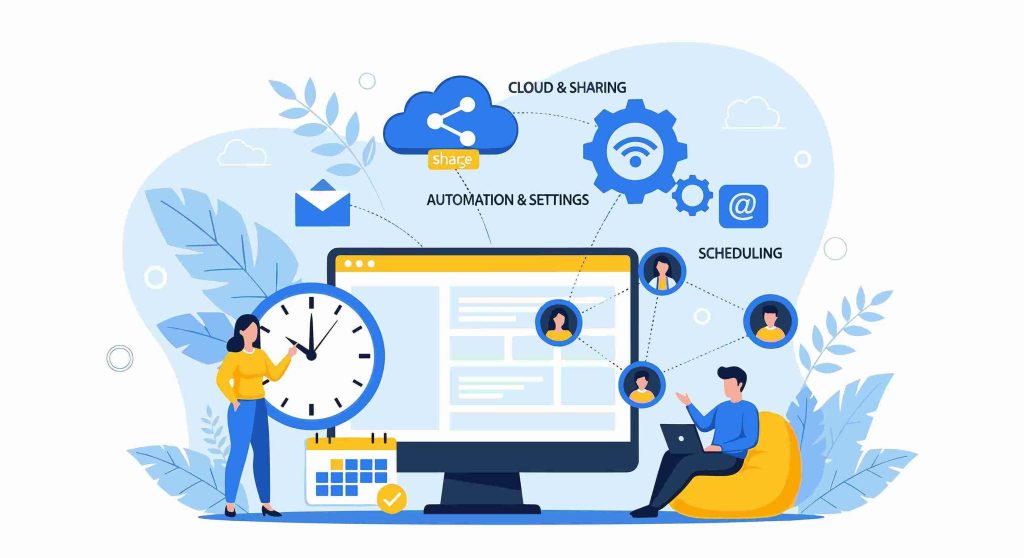
Digital workplace software refers to a unified platform that integrates digital communication, collaboration tools, workflow management, and organizational resources into one accessible system. As organizations rely more heavily on digital operations, the digital workplace has evolved into a centralized hub where employees can perform daily work tasks, access software tools, communicate with colleagues, and collaborate on shared projects.
At its core, the digital workplace functions as a digital ecosystem that supports seamless work activities. Instead of relying on disconnected applications or manual processes, organizations use digital workplace software to bring everything into one location. This improves workflow clarity and ensures employees have the digital resources they need to complete tasks efficiently.
The rise of remote and hybrid work has further increased the demand for modern digital workplace systems. In many organizations, employees are no longer limited to a physical workplace. Instead, they rely on digital tools that replicate and enhance traditional office functions. A digital workplace allows staff to remain productive whether they are in the office, at home, or working from different regions.
Beyond simple communication, the digital workplace supports file sharing, project management, digital documentation, analytics, and employee engagement. With a well-structured digital system, daily work becomes more organized, and cross-department collaboration becomes easier to maintain. As a result, digital workplace software acts as a cornerstone of operational efficiency in modern work settings.
The workplace itself has become more digital, and organizations increasingly depend on software-based solutions to maintain quality, productivity, and consistency. For this reason, digital workplace software remains a vital tool for supporting long-term organizational growth.
Key Features of Digital Workplace Software
Modern digital workplace software comes with a variety of features designed to improve communication, streamline workflows, and strengthen the overall work experience. These capabilities enable organizations to maintain high levels of productivity regardless of workplace structure.
1. Centralized Communication Tools
A strong digital workplace includes communication tools such as messaging, voice calls, and video conferencing. These digital tools make it easier for employees to stay connected and collaborate in real time, reducing communication gaps across teams.
2. Document and File Management
Digital workplace platforms often provide cloud-based file storage, document sharing, and real-time editing tools. Workers can access files from anywhere, maintain version control, and collaborate without confusion. This feature ensures that work resources remain organized and accessible.
3. Workflow and Task Management
Many digital workplace systems incorporate task assignment, progress tracking, and workflow automation. These capabilities help teams manage daily work responsibilities more effectively and ensure tasks remain aligned with organizational goals.
4. Integration With Existing Software
A valuable advantage of digital workplace software is the ability to integrate with other digital platforms such as CRM systems, HR software, productivity tools, or financial systems. With integrated digital tools, employees avoid switching between multiple disconnected applications.
5. Employee Engagement Tools
Modern workplaces rely on strong engagement practices. Digital platforms often include surveys, announcement boards, recognition tools, and feedback portals that support a positive workplace culture.
6. Knowledge Management
Digital workplaces often serve as a knowledge hub, storing company policies, learning materials, onboarding content, and training resources. Employees can easily access important information without searching through multiple systems.
7. Mobile and Remote Access
Cloud-based digital workplace software provides full accessibility across devices, enabling teams to work from any location. This feature is especially important for hybrid and remote workers who rely heavily on digital flexibility.
8. Security and Compliance Controls
A strong digital workplace prioritizes data protection with features such as encryption, user authentication, permission controls, and activity monitoring. Organizations can maintain a secure digital environment while supporting regulated workflows.
Recommended Digital Workplace Software Platforms
Several platforms stand out as top choices for organizations implementing modern digital workplace tools. These software solutions offer strong digital features and support diverse workplace needs.
1. Microsoft 365
Microsoft 365 remains one of the most widely used digital workplace solutions. Its suite includes Teams, SharePoint, OneDrive, and multiple productivity tools. With integrated digital communication and document management, it supports all aspects of daily work.
2. Google Workspace
Google Workspace offers cloud-based email, file sharing, document editing, and collaboration tools. Its intuitive digital platform makes it ideal for organizations that rely heavily on online communication and workplace collaboration.
3. Slack
Slack is known for its strong communication features. It centralizes workplace conversations through channels, direct messages, and integrations with numerous digital tools. Slack plays a major role in supporting flexible and fast-paced work environments.
4. Asana
Asana is a digital project management platform that helps teams organize tasks, track progress, and collaborate on complex workflows. It fits well in digital workplaces that require structured task coordination.
5. Notion
Notion combines notes, documentation, project management, and collaboration within one digital workspace. Its customizable structure makes it a popular choice for teams building their own personalized digital workplace systems.
These software tools provide reliable digital environments where employees can work more effectively and maintain consistent productivity.
Benefits of Using Digital Workplace Software
The adoption of digital workplace software offers numerous advantages for organizations of all sizes. As digital processes continue to expand across industries, the benefits of workplace software become increasingly impactful.
1. Enhanced Collaboration
Digital workplaces support seamless communication and teamwork. Employees can share files, discuss tasks, and collaborate on projects without physical barriers. This level of connectivity strengthens workplace relationships and improves the overall quality of work.
2. Increased Productivity
With centralized tools and automated workflows, employees complete tasks faster and with greater accuracy. Digital systems reduce manual work, eliminate repetition, and streamline everyday processes.
3. Stronger Flexibility and Remote Support
Digital workplace software enables employees to work from anywhere while maintaining access to essential work tools. This flexibility supports hybrid work strategies and improves employee satisfaction.
4. Better Organization of Workplace Information
Digital tools ensure that documents, tasks, and communication remain well-organized and accessible. Employees save time and avoid the confusion associated with scattered workplace data.
5. Improved Decision-Making
Many digital platforms include analytics and reporting capabilities. Managers gain insights into productivity trends, workflow patterns, and overall performance, helping them make more informed decisions.
6. Cost Savings
By reducing reliance on physical office tools, paperwork, and in-person communication, organizations save time and operational costs. Digital solutions also reduce IT overhead through cloud-based systems.
7. Stronger Security and Compliance
Digital workplace software includes advanced security features that protect sensitive information, ensuring workplaces comply with industry regulations and maintain safe digital environments.
Conclusion
Digital workplace software provides a modern, unified platform that supports communication, collaboration, and efficient work processes across today’s evolving business landscape. With tools for messaging, file management, workflow automation, and integrated digital systems, organizations can create a more productive and organized workplace environment. As the demand for flexible and digital work continues to grow, adopting reliable digital workplace software becomes a strategic investment that enhances operational success and long-term business resilience.
